How Is AI Transforming the Web Design Industry Landscape?
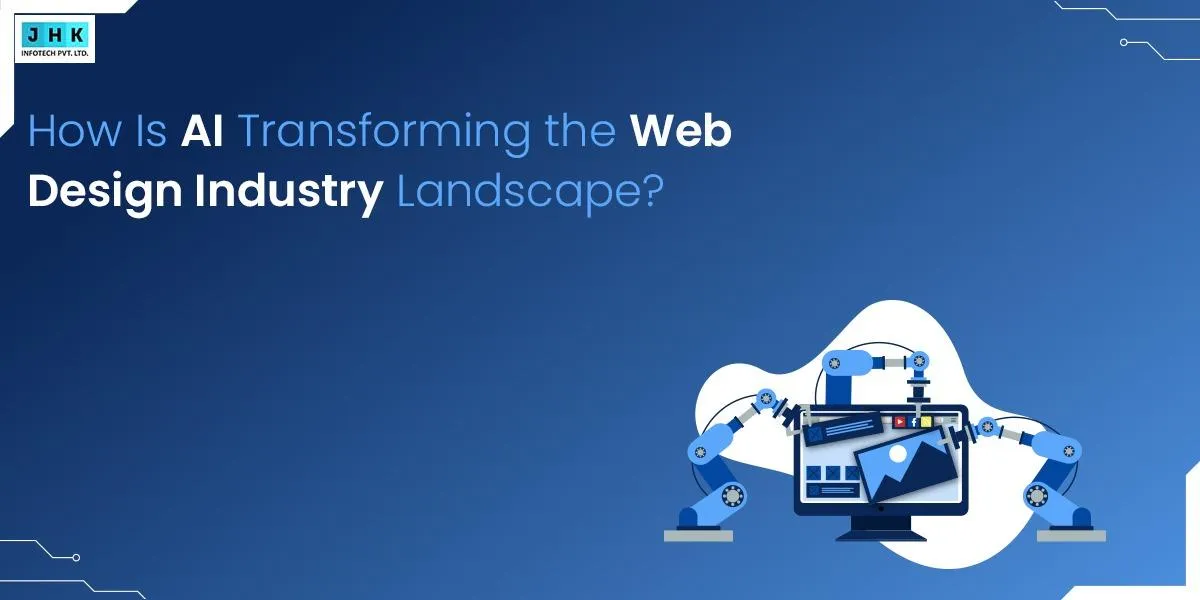
Artificial Intelligence (AI) is reshaping nearly every digital industry, and web design is no exception. What once required extensive manual effort—design prototyping, content creation, testing, and optimization—can now be accelerated and enhanced with AI-powered tools. From personalized user experiences to automated coding assistance, AI is transforming how websites are built, maintained, and optimized.
For businesses, this transformation means faster development cycles, smarter digital strategies, and more engaging user experiences. For designers and developers, AI is becoming a powerful partner that enhances creativity rather than replacing it.
In this article, we explore how AI is redefining the web design landscape and why businesses and digital professionals must adapt to stay competitive.
Personalized User Experiences and Dynamic Content
One of the most impactful ways AI is transforming web design is through personalized user experiences. Modern websites no longer rely on static layouts and uniform content. Instead, AI enables websites to adapt dynamically based on user behavior, preferences, and interactions.
AI algorithms analyze large volumes of data—such as browsing patterns, purchase history, geographic location, and engagement signals—to deliver tailored content. This personalization increases user engagement and improves conversion rates.
For example, AI-powered recommendation engines can suggest products, articles, or services based on previous interactions. E-commerce websites use this technology extensively to increase sales by showing users relevant product suggestions.
Dynamic content powered by AI can include:
- Personalized product recommendations
- Location-based content and offers
- Adaptive landing pages for different audience segments
When users feel that a website understands their needs, they are more likely to stay longer, interact more, and convert into customers.
Businesses that adopt modern AI-powered web design strategies can launch websites faster while delivering better user experiences. Professional web design services help companies implement these technologies effectively.
Faster and More Efficient Website Creation
Traditionally, designing and developing a website required extensive manual effort—from wireframing and UI design to coding and testing. AI has significantly reduced the time required for these processes.
Modern AI-powered design tools can generate website layouts, color palettes, and typography suggestions automatically. Designers can quickly create prototypes and iterate faster than ever before.
AI website builders and design assistants analyze industry trends, user behavior, and design best practices to suggest optimized layouts. This helps designers avoid common usability mistakes and build better user interfaces from the start.
Benefits of AI-powered web development include:
- Faster website prototyping
- Automated layout generation
- Intelligent design suggestions
- Reduced development time
This increased efficiency allows companies to launch websites faster and respond quickly to changing market demands.
Automation in Design, Testing, and Optimization
AI is also playing a major role in automating repetitive design and development tasks. Tasks that once required hours of manual effort—such as usability testing, performance monitoring, and design adjustments—can now be automated using AI systems.
For example, AI can automatically analyze user behavior and identify design issues that may impact user experience. Heatmap analysis tools powered by AI can track where users click, scroll, and spend the most time on a webpage.
AI-driven automation is particularly useful in areas like:
- A/B testing different page layouts
- Detecting UX bottlenecks
- Optimizing page load performance
By continuously monitoring website performance and user interactions, AI systems can recommend improvements that help designers refine their websites over time.
This results in more data-driven design decisions and better-performing websites.
AI-Driven Content Creation and SEO
Content plays a critical role in website success, and AI is transforming how content is created and optimized. AI-powered tools can now assist with blog writing, headline generation, keyword research, and on-page SEO optimization.
For businesses and marketers, this means faster content production without sacrificing quality. AI tools analyze search engine data, competitor content, and keyword trends to generate SEO-friendly content suggestions.
Key ways AI improves content strategy include:
- Identifying high-performing keywords
- Optimizing meta titles and descriptions
- Suggesting internal linking opportunities
- Generating structured content outlines
AI also helps ensure that website content aligns with search engine algorithms, making it easier for businesses to improve their rankings and attract organic traffic.
However, while AI can assist with content generation, human creativity and expertise remain essential for producing valuable, engaging, and authentic content.
While AI tools can assist with keyword research and content optimization, working with experienced SEO services ensures that your website follows search engine best practices and achieves long-term organic growth
Enhanced Customer Support with AI Chatbots
Artificial intelligence is also transforming customer support by making it faster, more efficient, and highly responsive. AI-powered chatbots are increasingly integrated into websites to provide instant responses to user inquiries.
Unlike traditional support systems that require human intervention, AI chatbots can handle common questions, guide users through processes, and provide personalized assistance.
Modern AI chatbots can:
- Answer frequently asked questions
- Assist users with navigation
- Provide product recommendations
- Collect customer feedback
This technology improves user satisfaction by providing immediate support while reducing the workload on customer service teams.
For businesses operating online, AI chatbots help ensure that visitors receive assistance at any time of the day.
Improved Security and Code Quality
Security and code reliability are critical aspects of web development, and AI is playing an important role in strengthening both areas.
AI-based systems can scan large volumes of code to detect vulnerabilities, bugs, and potential security risks. These tools help developers identify issues early in the development process before they affect users.
Some AI-powered development tools can even suggest improved code structures and automatically fix common coding errors.
AI contributes to better web security by:
- Detecting malware or suspicious activity
- Identifying code vulnerabilities
- Monitoring unusual user behavior
By proactively identifying potential threats, AI helps create safer and more reliable websites.
Businesses that want secure and scalable websites should combine AI tools with expert web development services to ensure clean code, optimized performance, and strong security practices.
Smarter Branding and Market Positioning
AI is not only transforming the technical side of web design but also helping businesses improve branding and market positioning.
AI-powered analytics tools can analyze competitor websites, audience demographics, and industry trends to help businesses develop stronger digital strategies.
For example, AI tools can evaluate brand messaging, visual identity, and website performance to recommend improvements that align with market expectations.
These insights help businesses:
- Understand audience preferences
- Optimize website messaging
- Improve brand consistency across digital platforms
As competition in the digital landscape continues to grow, AI-driven insights enable businesses to make smarter decisions and build stronger online brands.
Conclusion
Artificial Intelligence is rapidly transforming the web design industry by introducing automation, personalization, and data-driven decision-making. From faster website development to smarter SEO strategies and improved user experiences, AI is reshaping how websites are designed and managed.
However, AI should not be seen as a replacement for human creativity. Instead, it acts as a powerful tool that helps designers, developers, and businesses work more efficiently and deliver better digital experiences.
As AI technologies continue to evolve, companies that adopt AI-powered web design strategies will gain a significant competitive advantage in the digital marketplace.
The future of web design lies in the collaboration between human creativity and artificial intelligence—combining innovation with intelligent automation to create smarter, more engaging websites.
FAQ
1. What is AI in web design?
AI in web design refers to the use of artificial intelligence technologies to automate and improve website design, development, user experience, and optimization processes. AI tools can generate layouts, personalize content, analyze user behavior, and assist with SEO strategies.
2. How does AI improve website user experience?
AI improves user experience by analyzing visitor behavior and delivering personalized content. It can recommend products, adjust layouts, and provide real-time support through chatbots, making websites more engaging and user-friendly.
3. Can AI replace web designers?
AI cannot fully replace web designers. Instead, it acts as a powerful assistant that automates repetitive tasks and provides data-driven insights. Designers still play a crucial role in creativity, strategy, and user-centered design decisions.
4. What are the benefits of AI in web development?
AI offers several benefits in web development, including faster website creation, automated testing, improved SEO optimization, enhanced security, and personalized user experiences that increase engagement and conversions.
5. What AI tools are commonly used in web design?
Popular AI tools used in web design include AI website builders, design assistants, content generation tools, SEO optimization platforms, and AI chatbots that enhance customer interaction and website functionality.
Recent Post
-
September 16, 2026
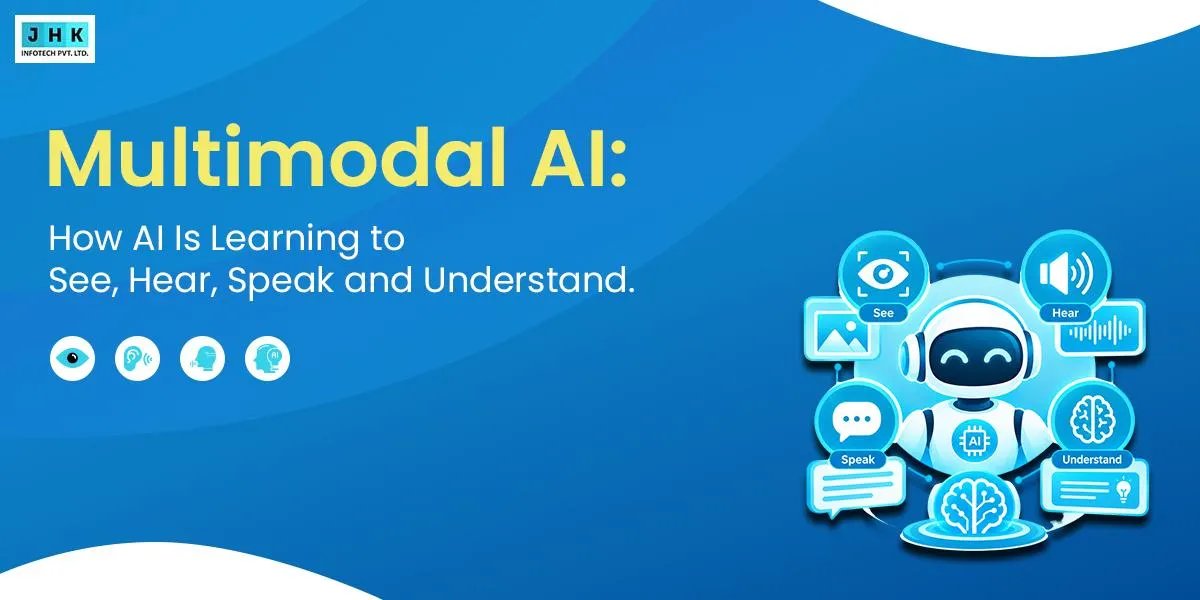
Multimodal AI: How AI Is Learning to See, Hear, Speak and Understand
-
September 11, 2026
AI Employees: How Businesses Are Building Digital Workforces in 2026
-
September 7, 2026
What Is GEO? The Future of SEO in the Age of AI Search
-
-
February 26, 2026
AI Trends 2026: Latest AI Innovation, Developments & Predictions