Does Linking to Other Websites Help SEO? Explained in Detail
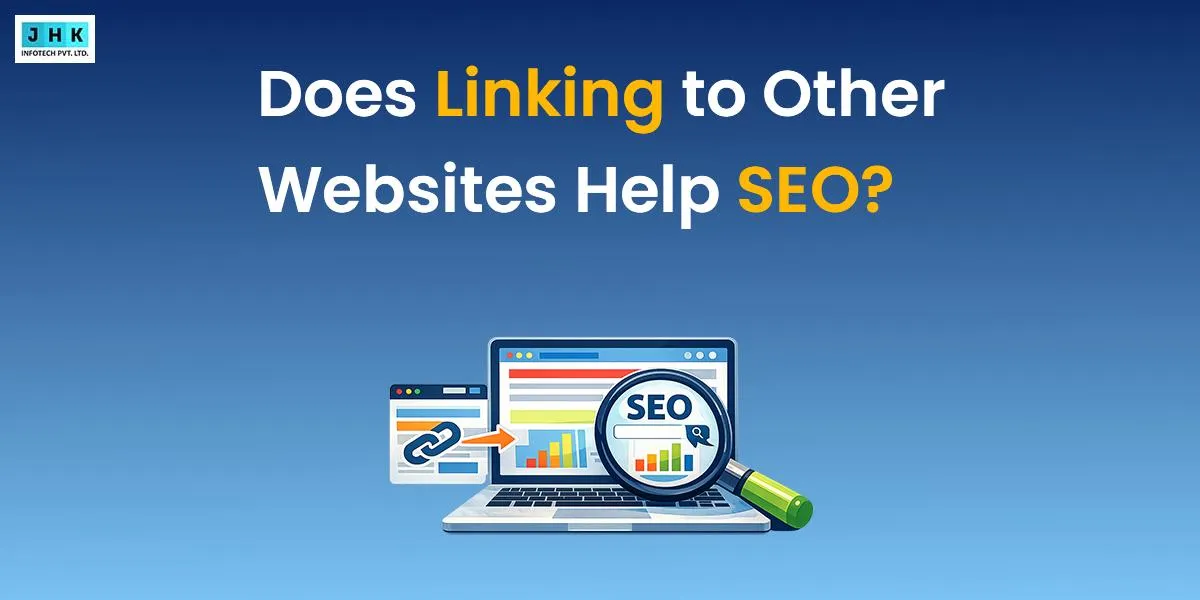
Does linking to other sites help SEO, or can it actually hurt your rankings? This is one of the most debated questions in search engine optimization, especially for small business tech blogs aiming to build authority without losing traffic. Outbound links—also known as external links or SEO hyperlinks—play a critical role in how search engines understand content relevance, trust signals, and topical depth. In this technical deep dive, we’ll break down how linking to other websites affects SEO, what Google actually says about outbound links, and how to use external linking strategies correctly to improve rankings, credibility, and user experience—without leaking SEO value.
What Are External Links in SEO?
External links in SEO—also called outbound links or SEO hyperlinks—are hyperlinks on your website that point to a different domain. When you link to another website, you’re essentially providing users (and search engines) with additional context, references, or supporting resources beyond your own content. Unlike internal links, which connect pages within the same site, external links help search engines understand how your content fits into the broader web ecosystem.
From a technical SEO perspective, external links act as contextual signals. They help Google evaluate topic relevance, content depth, and trustworthiness. For example, linking to authoritative sources such as industry documentation, research papers, or official guidelines can reinforce the accuracy of your content. This is especially important for small business tech blogs, where demonstrating expertise and credibility is key to competing with larger publishers.
However, not all external links are equal. Factors such as link relevance, anchor text, placement within the content, and whether the link is dofollow or nofollow all influence how search engines interpret outbound links. When used correctly, linking to other websites improves user experience, supports E-E-A-T (Experience, Expertise, Authoritativeness, Trust), and strengthens topical authority—without negatively impacting SEO rankings.
How Google Treats Outbound Links
Google treats outbound links as contextual signals, not ranking penalties. When your content links to relevant external resources, it helps Google understand the topic, intent, and accuracy of your page. According to Google’s documentation and repeated statements from Google Search advocates, linking out is a normal and expected part of the web.
Outbound links help Google:
- Understand content relationships between topics
- Evaluate topical relevance
- Assess whether your content is well-researched
Google does not penalize websites simply for linking to other sites. Problems only arise when outbound links are manipulative, irrelevant, paid without disclosure, or point to low-quality or spammy domains.
Do External Links Pass SEO Value?
External links do not directly pass ranking power to your own page, but they do influence SEO indirectly. When you link to high-quality, relevant sources, you improve content trust, depth, and user satisfaction—signals that can positively affect rankings.
What outbound links do pass
- Contextual relevance
- Trust reinforcement
- Content validation
What they do not pass
- Your page’s authority or backlinks
- Direct ranking boosts by themselves
In short, external links don’t “boost” rankings alone—but they help create the kind of content Google prefers to rank.
Linking to Authority Sites: Myth vs Reality
- Myth: Linking to authority sites improves rankings automatically.
- Reality: Linking to authority sites improves credibility, not rankings directly.
Google does not reward pages just because they link to big brands or high-authority domains. However, linking to authoritative, relevant sources:
- Strengthens E-E-A-T signals
- Improves topical accuracy
- Increases user trust
The key factor is relevance, not authority alone. A highly relevant niche source is often more valuable than a generic high-authority website.
Nofollow vs Dofollow for External Links
By default, all links are dofollow, meaning search engines can crawl them. The nofollow attribute tells search engines not to pass ranking signals through that link.
Use dofollow when:
- Linking to trusted, editorial sources
- Citing research, documentation, or references
Use nofollow when:
- Links are paid or sponsored
- User-generated content (comments, forums)
- You don’t fully trust the destination
Google now treats nofollow as a hint, not a strict rule—but correct usage still matters for compliance and trust.
Best Practices for Linking to Other Websites
To use outbound links correctly in SEO
- Link only to topically relevant pages
- Place links naturally within content, not footers
- Use descriptive anchor text, not generic phrases
- Limit excessive external links on one page
- Open external links in a new tab (UX best practice)
- Regularly audit outbound links for broken or outdated URLs
Common External Linking Mistakes
Many websites hurt their SEO not by linking out, but by linking incorrectly.
Avoid these mistakes:
- Linking to low-quality or spammy sites
- Overusing exact-match anchor text
- Excessive outbound links on thin content
- Forgetting to nofollow paid links
- Linking for SEO instead of user value
Poor outbound linking signals low editorial standards and can weaken trust.
Conclusion
Yes—small businesses should absolutely use outbound links, when done strategically.
Outbound links
- Improve content credibility
- Enhance user experience
- Strengthen topical authority
- Align with Google’s quality guidelines
The key is intent. Link to help users, support claims, and provide value—not to manipulate rankings. When used correctly, outbound links are not an SEO risk—they’re a quality signal.
FAQ’s
1. Does linking to other websites hurt SEO?
No, linking to other websites does not hurt SEO when the links are relevant, high quality, and editorially placed. Google expects websites to link out naturally to support content and improve user experience.
2. Does linking to authority sites help SEO?
Linking to authority sites does not directly boost rankings, but it improves credibility, trust, and content accuracy. These signals help Google evaluate content quality and E-E-A-T.
3. How many outbound links should a page have?
There is no fixed limit for outbound links. A page should include only as many external links as needed to support the content without overwhelming users or reducing readability.
4. Should outbound links be nofollow?
Outbound links should only be nofollow if they are paid, sponsored, user-generated, or point to untrusted sources. Editorial links to trusted websites should remain dofollow.
5. Do external links pass SEO value?
External links do not pass ranking power to your own page, but they indirectly support SEO by improving relevance, trust, and topical depth.
6. Should external links open in a new tab?
Opening external links in a new tab is recommended for better user experience, as it keeps users on your site while allowing access to additional resources.
Recent Post
-

September 16, 2026
Multimodal AI: How AI Is Learning to See, Hear, Speak and Understand
-
September 11, 2026
AI Employees: How Businesses Are Building Digital Workforces in 2026
-

September 7, 2026
What Is GEO? The Future of SEO in the Age of AI Search
-

-

February 26, 2026
AI Trends 2026: Latest AI Innovation, Developments & Predictions